
Going through a divorce is one of the most stressful events a person can experience. Part of what makes it so stressful is the fact that both spouses generally want to keep as many assets as they possibly can. Who is entitled to what assets during a divorce in Illinois depends on whether the assets are marital or non-marital. This post will explain the difference between marital and non-marital property and help you understand how the courts treat each type of property during a divorce. If you are going through a divorce and have questions on the division of marital assets, contact our Giannola Legal LLC divorce lawyers in Lockport, Illinois today for a free consult.
Martial Property:
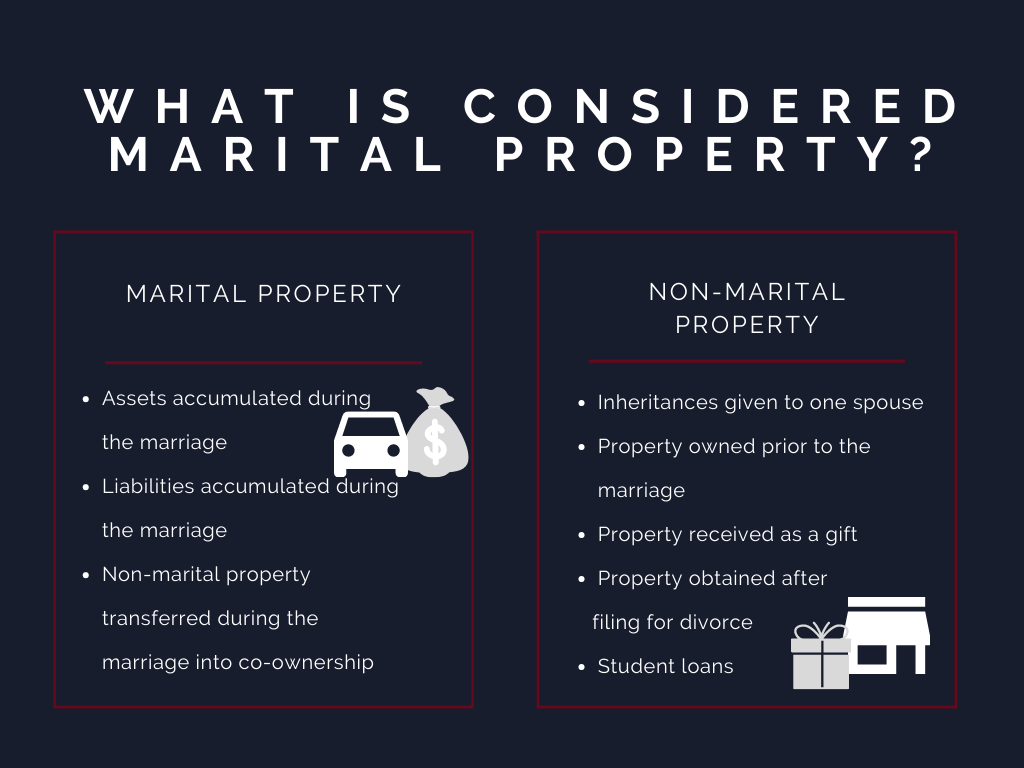
Generally speaking, marital property includes all property acquired during the marriage, unless it was a gift or inheritance by one of the spouses. This includes all property, no matter whose name is on the title. For example, suppose Husband and Wife decide to buy a house during their marriage, but only Wife is listed as an owner on the property deed. The house was purchased with marital assets (marital money) and is, therefore, marital property, even though Husband’s name isn’t on the title.
In the event of a divorce, the court will divide marital property between the former spouses equitably. This doesn’t mean that all marital property will automatically be divided 50/50. Rather, the court will consider various factors – like how much each spouse contributed to the marriage, how long the marriage lasted, custody of any children, etc. – to determine the fairest property allocation.
Non-Marital Property:
Non-marital property is any property that one spouse owned before the marriage (except some types of retirement plans which are treated as marital); property inherited by or gifted to one of the spouses (even if the inheritance or gifting happens during the marriage); property one spouse acquired after a legal separation; property the spouses agreed was non-marital in a pre- or post-nuptial agreement; and any property obtained in exchange for non-marital property.
Unlike marital property, non-marital property is not divided among the parties during a divorce. Whichever spouse owned the non-marital property during the marriage will keep it after the divorce.
If you’re currently going through a divorce, it’s always best to consult with an experienced attorney. The highly recognized divorce lawyers in Lockport, Illinois at Giannola Legal LLC, have extensive experience helping clients navigate property division and retain as many assets as possible during a divorce.