
Learn more about the legalization of marijuana in Illinois from criminal defense attorneys in Cook County, Illinois.
As of January 1, 2020, recreational marijuana use is legal in Illinois. While this is a significant change in policy, the new law does not completely decriminalize marijuana. It’s important to be aware of what is now legal and what is still illegal under Illinois’ new law. As always, it is important to consult an experienced family law attorney like the family law attorney at Giannola Legal LLC.
So…What is Actually Legal?
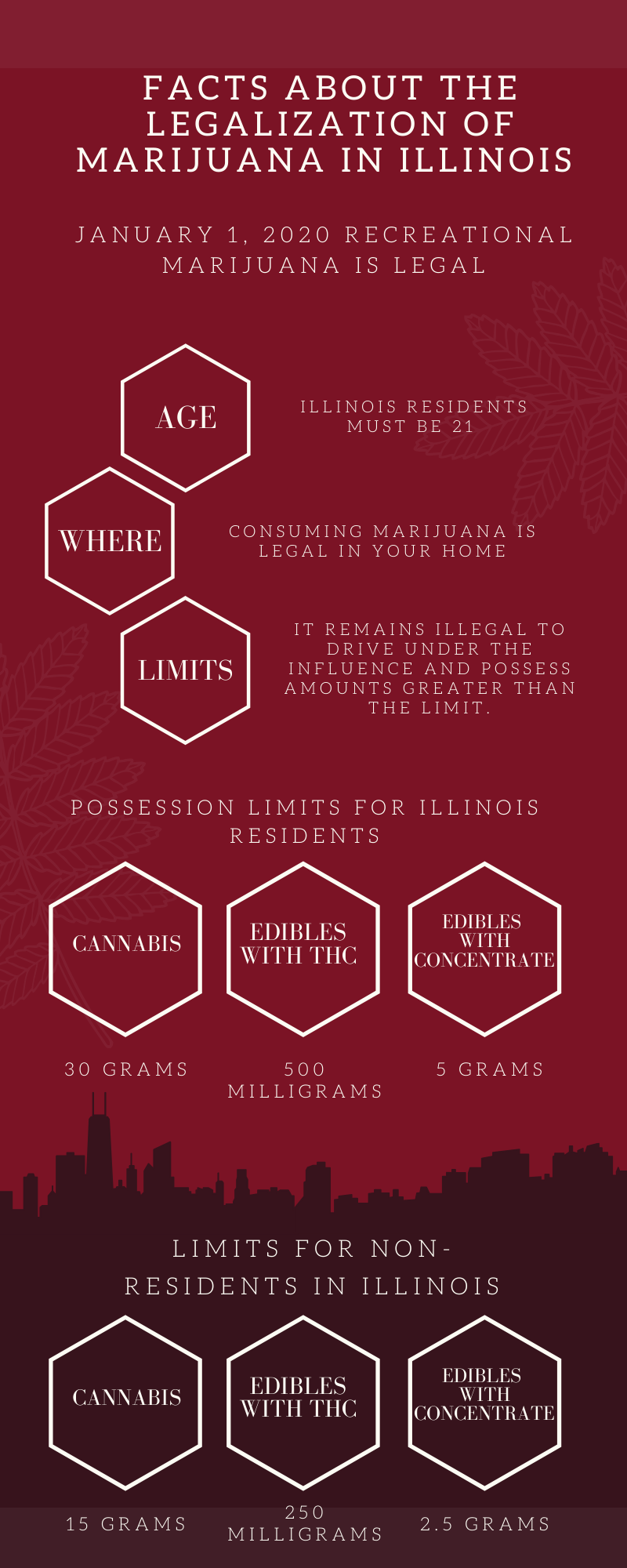
Under the new law, Illinois residents who are at least 21 years old may legally possess a total of 30 grams of cannabis, edibles containing a maximum of 500 milligrams of THC, and 5 grams of cannabis concentrate. Non-residents visiting Illinois who are at least 21 years old may legally possess half those amounts: 15 grams of marijuana, edibles containing a maximum of 250 milligrams of THC, or 2.5 grams of cannabis concentrate.
Smoking and consuming marijuana in your own home is legal under the new law. Depending on local ordinances, it may also be legal to smoke in dispensaries.
What is Illegal?
It is still illegal to possess marijuana in excess of the amounts listed above. It is also illegal to grow and/or sell marijuana in Illinois without a valid, state-issued license. The minimum fine for growing marijuana without a license under the new law is $200.00.
If smoking marijuana, it’s important to be aware of what/who is around: it is still illegal to smoke in public, in vehicles, anywhere tobacco smoke is illegal, and near people under the age of 21. Smoking near on-duty bus drivers, police officers, firefighters, and correctional officers is also a crime.
Driving under the influence of cannabis is another concern. Illinois’ new law sets the legal limit for THC blood concentration at five nanograms per milliliter while driving. You can be charged with a DUI if you are caught driving with more than that amount in your system.
If you have further questions regarding the legality of marijuana in Illinois, or you have been charged with a crime related to marijuana, please contact one of our criminal defense attorneys in Cook County, Illinois, for a phone or in person consultation to discuss your options.